
Do you know what is 1.5mm L-Plate?
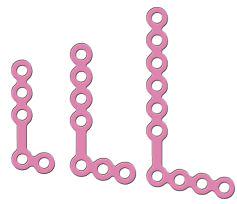
The 1.5mm L-Plate with a 110° angle is a craniofacial implant used for fracture fixation at bone intersections — such as the mandible angle or the orbital rim. The "1.5" refers to the screw system diameter (1.5mm outer diameter screws). The "110°" indicates the bend angle. This 110° L-plate is pre-angled to match the natural contour of certain facial bones, which reduces the amount of intraoperative bending required. As a craniofacial angle plate, it serves applications where straight plates are not suitable.
110° Pre-Angled Design
Most standard L-plates are 90°. The human mandible angle is typically 110-120°. A 90° plate requires significant bending to fit. This 110° L-plate is closer to the natural anatomy, which means less contouring in the OR and a better fit against the bone. This craniofacial angle plate matches the bone contour out of the box.
Thin Profile
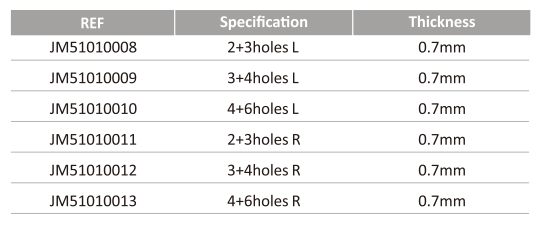
The 1.5mm L-Plate thickness is 0.7mm, which is considered micro thickness for facial bone fixation. The 1.5mm L-Plate is strong enough to withstand forces from chewing and speaking, but thin enough to avoid soft tissue irritation. A thicker plate would cause problems under facial skin.
Titanium Material
Titanium is the standard material for craniofacial plating. It is lightweight, corrosion-resistant, and causes almost no allergic reactions. Patients can retain this implant long-term. This 110° L-plate is made entirely of titanium, which surgeons expect from a quality craniofacial angle plate.
Screw Hole Placement
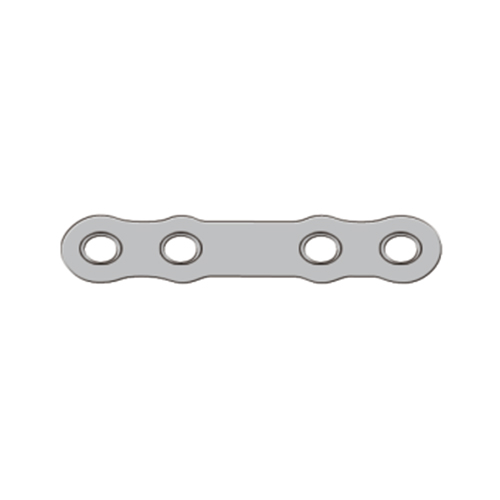
The 1.5mm L-Plate has holes along both arms of the L. This allows the surgeon to place screws where bone quality is best. If one area is too thin or fractured, that hole can be skipped. A well-designed 110° L-plate provides multiple screw placement options for most fracture patterns.
Low Profile
Because the 1.5mm L-Plate is only 0.7mm thick and the 110° bend follows the bone contour, the implant sits low against the bone surface. Patients should not feel it under the skin, and it will not be visible externally. That is a key requirement for any craniofacial angle plate.
The 1.5mm L-Plate with a 110° angle is commonly used in the following clinical situations:
Mandibular Angle Fractures
The mandible has a natural angle where the body meets the ramus — typically 110-120°. A standard L-plate requires significant bending. This 110° L-plate is pre-bent to the correct shape. This craniofacial angle plate is well suited for mandible angle fractures.
Orbital Rim Fractures
The orbital rim has curves and corners. In areas such as the inferolateral corner, a 110° plate fits well. This 1.5mm L-Plate is handy to be set along the rim to hold the orbital contents as well as anchoring to stable bone.
Zygomaticomaxillary Complex (ZMC) Fractures. When the zygomatic bone breaks, the separation frequently happens at the zygomaticomaxillary buttress. This region has an angled shape. A 1.5mm L-Plate with a 110° bend can be used to bridge the break line and, at the same time, match the bone contour.
Frontal Bone or Supraorbital Rim Fractures. The forehead area closer to the eyebrow is slightly curved where the frontal bone joins the orbital roof. Occasionally, a 110° L-plate is a very good solution there. The craniofacial angle plate angle corresponds to the change from the vertical forehead to the horizontal orbital rim.
Le Fort Fractures (Selected Types)Certain Le Fort fractures have segments of bone at an angle, especially at the nasal opening or zygomaticomaxillary junction. A 1.5mm L-Plate can serve as one part of the overall fixation system.
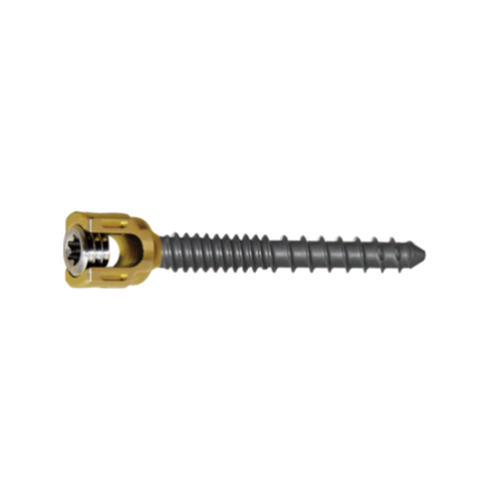
The 1.5mm L-Plate supports both locking and non-locking screws. When used on very thin facial bones, locking screws are generally the preferred option as they do not depend as much on bone thickness for firm fixation.
Specification
| Brand | JinMing Medical |
|---|---|
| Material | Medical‑grade titanium or titanium alloy |
| Thickness | 0.7 mm |
| Design | L‑shaped craniofacial angle plate |
| Structure | Anodized or matte finish |
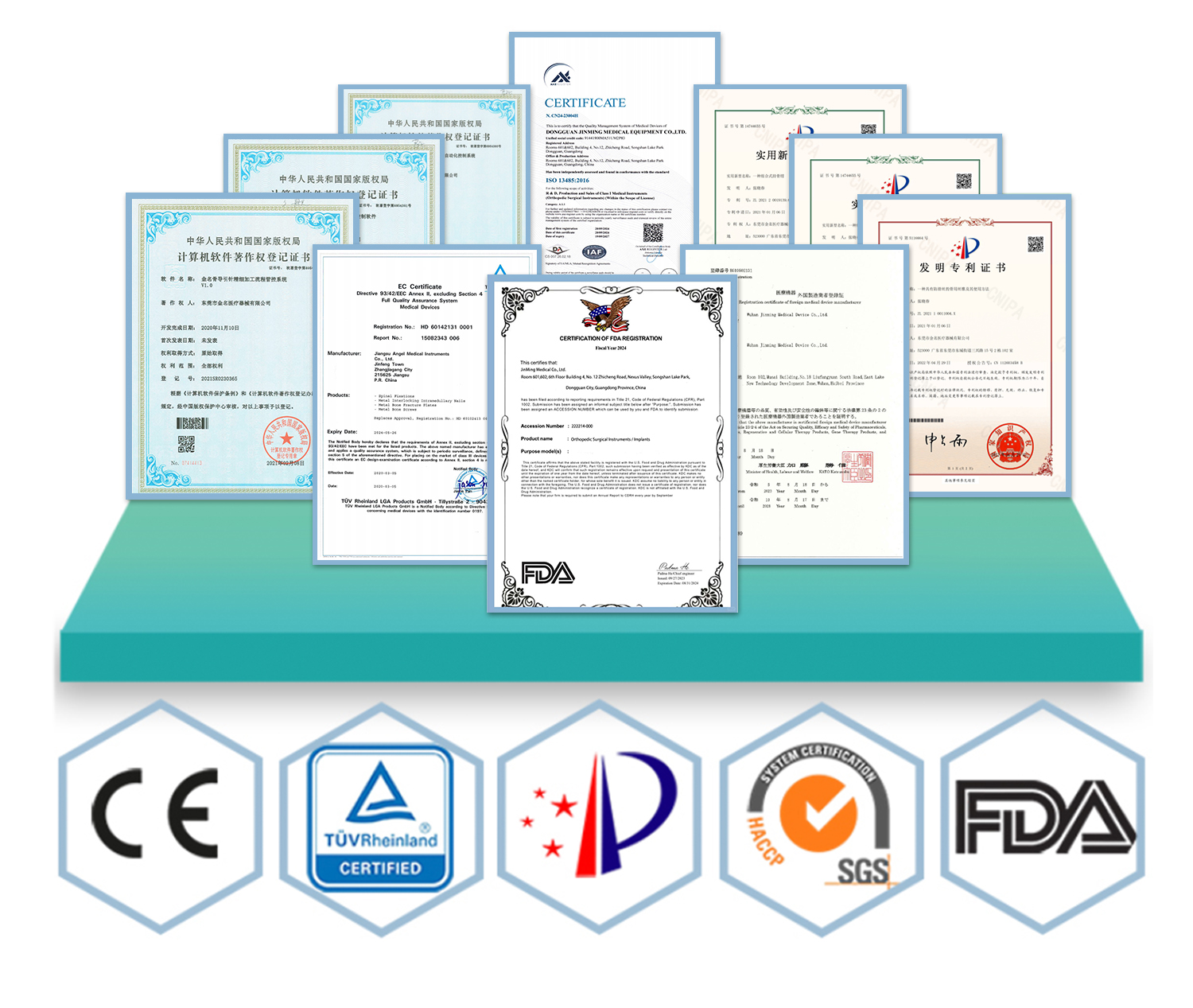
| Certificates | CE, ISO 13485 |
| OEM / ODM | Custom labeling, packaging, and specifications |
Why Choose JinMing Medical's 1.5mm L-Plate?
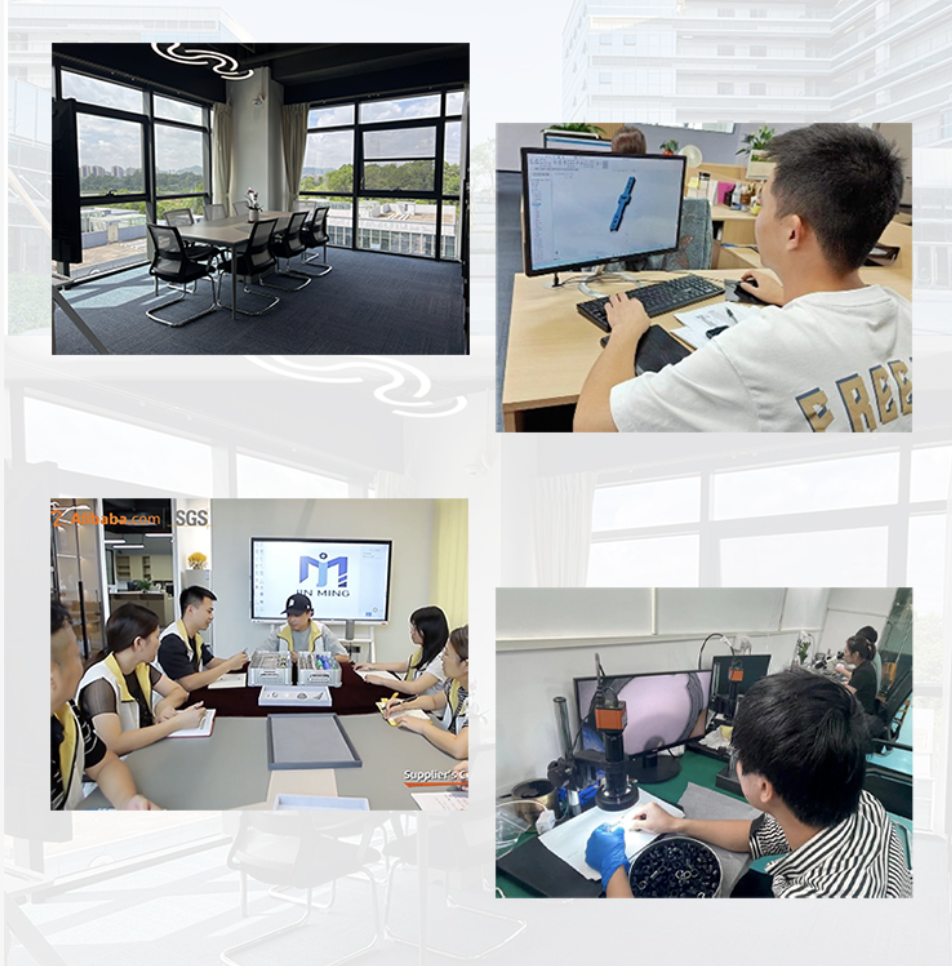

Certifications & Quality Assurance