
VA Proximal Tibia Locking Plate
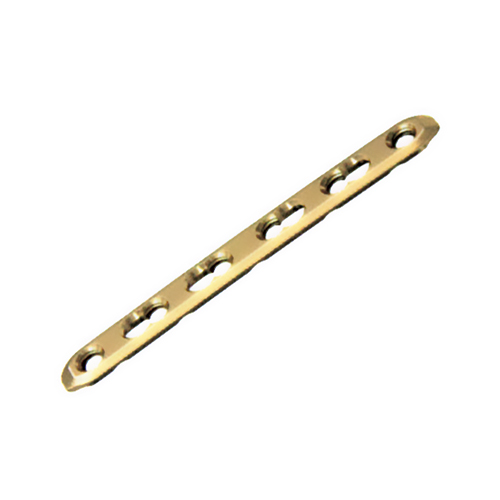
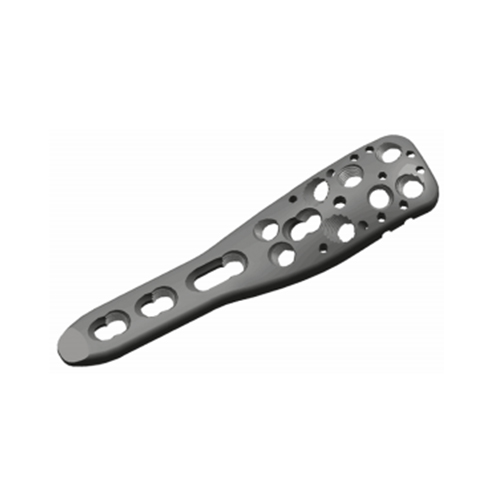
The VA Proximal Tibia Locking Plate is an Orthopedic Implant designed to stabilize proximal tibia fractures, especially injuries to the lateral tibial plateau beneath the knee joint. This type of fracture often occurs due to high-energy impacts, sports trauma, falls, or road accidents. The plate functions as part of a Bone Fixation System, supporting the surgeon in restoring structural alignment while maintaining the contour of the proximal tibia.
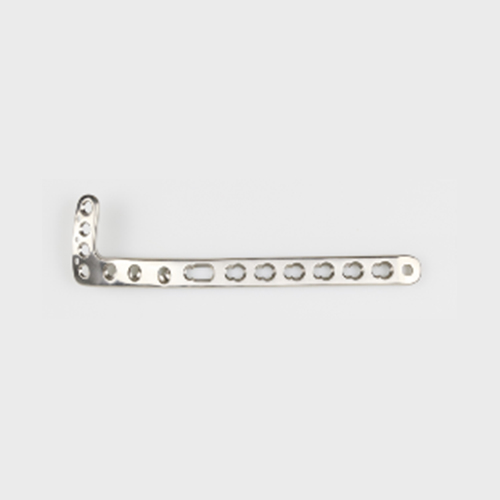
The Proximal Tibia Locking Plate follows the anatomy of the lateral tibial surface. The curvature and slim profile help reduce soft-tissue disturbance during placement. Because the contour closely follows the natural shape of the tibia, the plate generally requires fewer intraoperative adjustments, allowing the surgeon to position the hardware efficiently based on the fracture pattern.
The VA Proximal Tibia Locking Plate incorporates variable-angle technology, allowing controlled screw placement within ±15°. This flexibility gives surgeons more control when navigating fragmented bone zones, avoiding joint surface cracks, or preventing screw conflict during fixation. The system is commonly used in the management of peri-articular fractures and is compatible with standard orthopedic surgical protocols.
The VA Proximal Tibia Locking Plate is designed to follow the natural curvature of the proximal tibia. This reduces excessive bending during surgery and helps maintain stable positioning within the Bone Fixation System.
Each locking hole allows a ±15° range of screw adjustment. This provides greater flexibility for managing proximal tibia fractures, especially when navigating around fracture lines or avoiding intersecting screw paths.
The upper portion of the Proximal Tibia Locking Plate includes dual-row screw positions. These positions allow surgeons to elevate and support the tibial plateau surface during reconstruction and maintain stability throughout the healing phase.
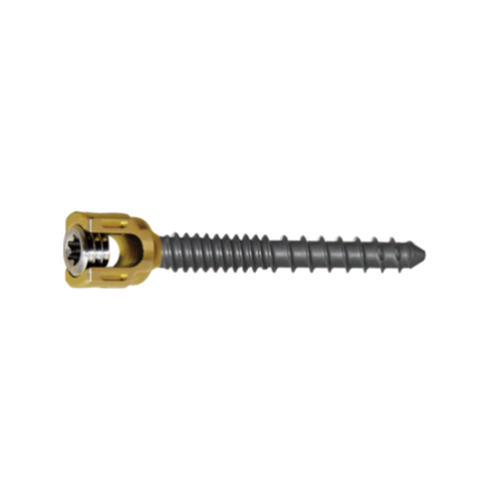
The plate supports both standard cortical screws and locking screws. This enables the surgeon to choose between compression or rigid locking fixation depending on the fracture anatomy.
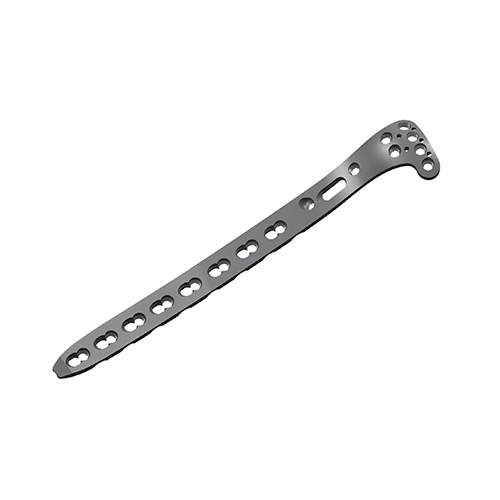
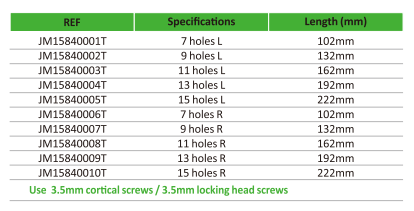
The plate is available in various lengths—short, medium, and long—to match patient size and different proximal tibia fracture patterns. This versatility ensures broad clinical compatibility within the Bone Fixation System.
The VA Proximal Tibia Locking Plate is intended for the stabilization of:
Tibial plateau fractures
Comminuted or depressed fractures around the knee
High-energy trauma injuries
Osteoporotic proximal tibia fractures
Lateral knee injuries requiring structural reinforcement
The Orthopedic Implant is suitable for adult and elderly patients where stable fixation of the tibial plateau is required to maintain joint alignment during recovery.
Specification
| Brand | JinMing Medical |
|---|---|
| Material | Medical-grade stainless steel / Medical-grade titanium alloy |
| Locking hole design | Variable angle locking holes (±15° range) |
| Plate design | Left/right anatomical profile |
| Screw diameter | 3.5 mm cortical screws / 3.5 mm locking screws |
| Hole Options | 7-15 holes |
| Surface treatment | Titanium anodizing / nickel-chromium polishing |
| System compatibility | Fully compatible with Bone Fixation System and Orthopedic Implant requirements |
The dual-row proximal screw configuration provides structural support for the tibial plateau, helping maintain joint contour during the postoperative phase.
The anatomical contour of the VA Proximal Tibia Locking Plate helps surgeons operate with a smaller incision and reduced soft-tissue tension.
Variable-angle locking holes provide adjustable screw trajectories, enabling surgeons to manage complex proximal tibia fractures with greater confidence.
The plate is engineered for stability in fractures caused by high-energy trauma or multi-fragmented injuries. When integrated into a Bone Fixation System, the plate provides dependable support for restoring limb alignment.
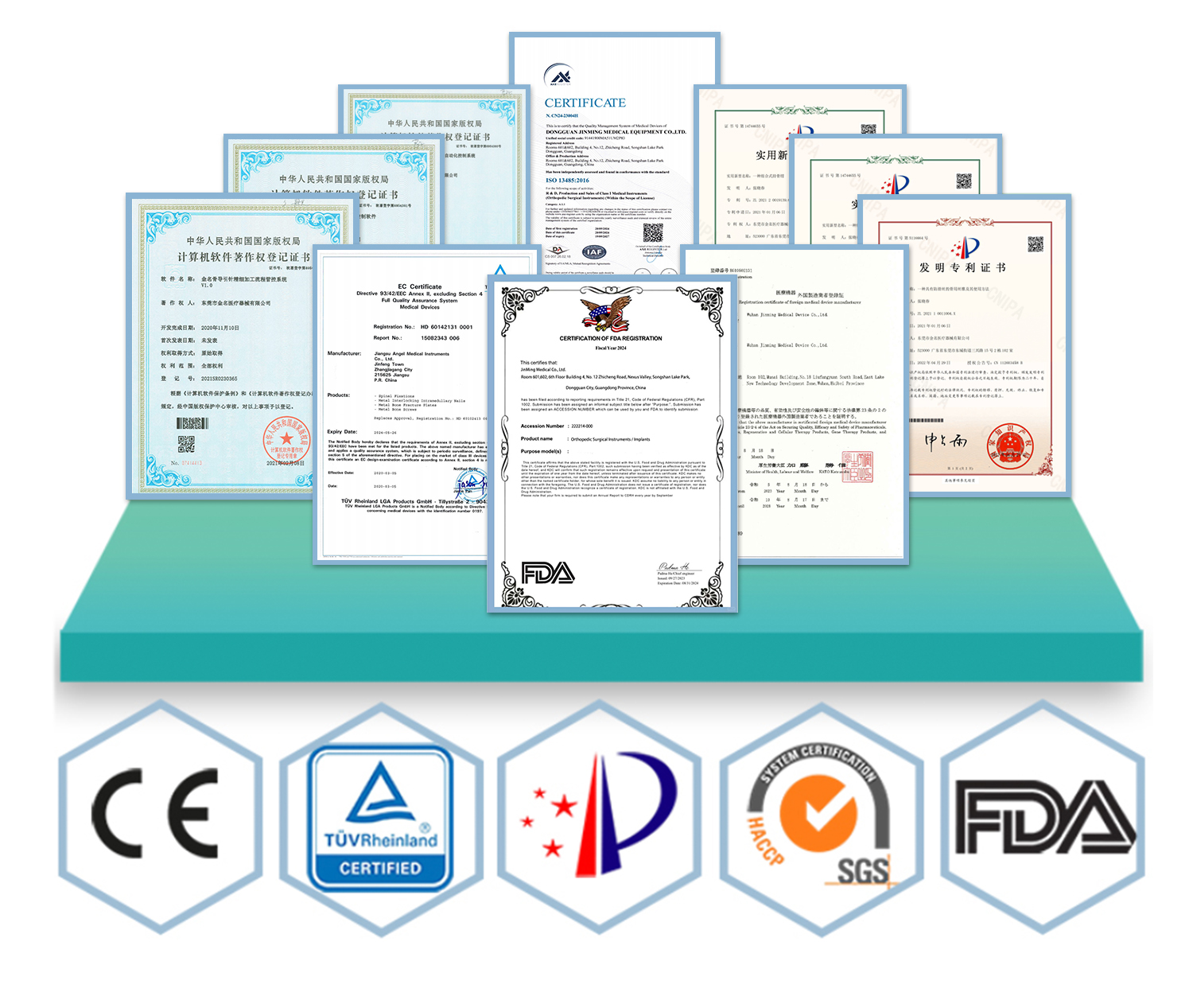
JinMing Medical specialises in the design and manufacturing of Orthopedic Implant systems, with more than 20 years of dedicated continuous improvement in trauma fixation technology.
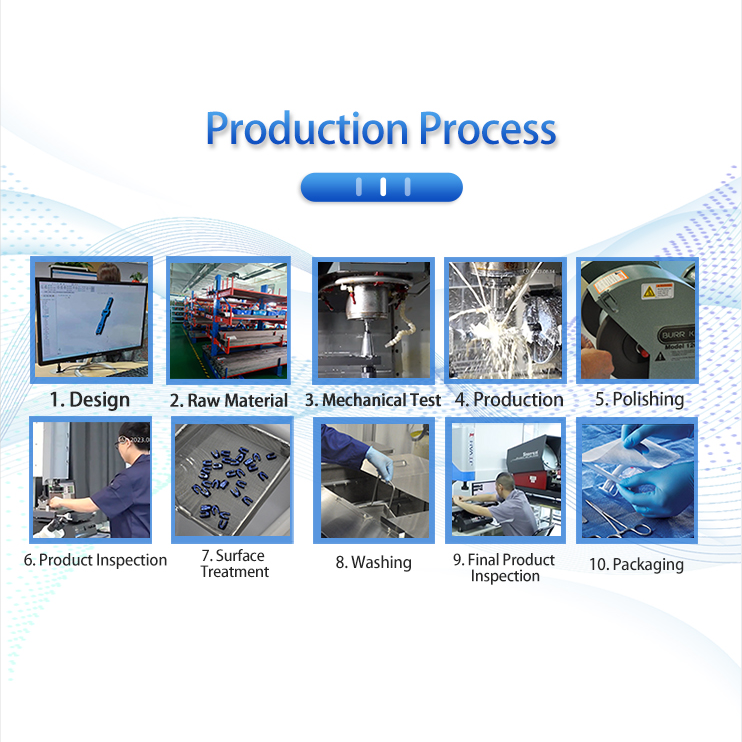
Every VA Proximal Tibia Locking Plate undergoes full inspection—dimensional verification, surface quality checks, and structural evaluation—performed under CE and ISO 13485 quality systems. Every item is thoroughly checked instead of batch sampling.
Advanced 5-axis CNC machining and ZEISS CMM inspection ensure ±0.01 mm accuracy for plate contours and locking hole geometry. This consistency supports predictable performance within a Bone Fixation System.
JinMing Medical provides tailored design services, including adjustments to screw angle compatibility, plate length, contour refinement, and label customisation—all while maintaining compliance with international quality requirements.
Partners in more than 60 countries rely on JinMing Medical for continuous product availability, responsive communication, and dependable supply-chain support, making the company a trusted contributor to global orthopedic care.
|