

In modern orthopedics, the treatment of fractures is no longer as simple as "putting the bones back together and applying a cast." With advancements in imaging, materials science, and surgical techniques, internal fixation techniques that emphasize early functional recovery and complication prevention are being increasingly adopted. Locking plate/locking screw systems are a representative example of this type of internal fixation device.
What is locking plate osteosynthesis surgery?
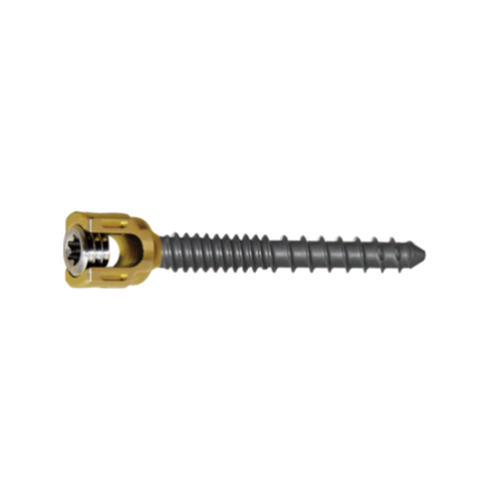
A locking plate/screw system is an internal fixation device that forms a rigid framework that shares stress with the bone by fixing screws between the plate and the bone, creating a "locked" connection. Unlike traditional methods that rely on friction between the screw and bone to compress the fracture ends, the key to the locking system is the mechanical engagement between the screw head and the threads or holes in the plate. Once the screw is locked into the plate, the entire construct acts as an "internal fixator," bearing more mechanical load and not relying entirely on the underlying bone for support. The definition you provided accurately points out its mechanical advantages: on both sides of the fracture, the screws are locked into the plate and bone, ultimately forming a rigid framework with high mechanical stability.
Clinically, the direct benefits of this rigid framework include: reducing the need for cortical bone compression in cases of osteoporosis, comminuted fractures, or thin cortical bone, thereby reducing the risk of screw loosening or penetration; and allowing for early partial weight-bearing or functional exercise in some cases, thus shortening the time of muscle atrophy and joint stiffness. Technically, locking plates come in various forms (length, pre-bent, low-profile design, etc.) and can be used for different types of fractures in the upper and lower limbs, as well as the shoulder and hip.
Of course, locking plates are not a panacea. Their inherent rigidity can alter the stress distribution during healing, and if applied incorrectly, may inhibit local callus formation (especially in simple fractures requiring indirect compression to promote healing), or create stress concentrations at the distal end of the construct, leading to new problems. Therefore, when choosing, surgeons will consider the type of fracture, the patient's bone quality, the mechanism of injury, and the functional recovery goals to decide whether to use a locking system, which type to use, and whether other internal fixation or grafting methods are needed.
In the surgical procedure, locking plates usually require accurate fracture reduction and plate placement under fluoroscopic (C-arm) guidance. The length and position of the screws are particularly important—too long, too short, or incorrect angles can affect stability or damage surrounding soft tissues. Postoperative follow-up includes imaging assessment of healing, observation for screw loosening, and evaluation of functional recovery progress. Overall, locked plating surgery represents a trend in modern fracture external fixation towards greater precision and functional orientation.
What are the differences between locking plate fixation and traditional plate fixation surgery?
To answer this question, we need to compare them from four perspectives: mechanical principles, indications, intraoperative procedures, and postoperative rehabilitation. First, in terms of mechanical principles, traditional plate-screw systems rely more on the friction and compression force between the screws and the bone cortex to maintain the stability of the fracture ends; the screws tighten the plate against the bone surface, bringing the fracture ends together and promoting healing. In contrast, locking plates form a fixed structure where the "plate-screw-bone" work together. The screw heads are locked into the plate holes, and the plate does not need to be compressed against the bone surface to provide stability, which is particularly advantageous for fragile or comminuted bone.
Regarding indications, traditional plates are still very effective for simple linear fractures that can be closely reduced and have good bone quality, especially in cases where healing depends on bone end compression (such as certain long bone shaft fractures). The advantages of locking plates are evident in cases of poor bone quality (such as senile osteoporosis), comminuted fractures, or complex fractures near joints—in these situations, traditional compression fixation may lead to screw cutout or fixation failure, while the locking system, due to its "bridging" effect, can more safely maintain alignment.
There are also differences in intraoperative procedures. Traditional plates rely more on precise bone surface adaptation and compression, requiring sufficient periosteal stripping to allow contact between the plate surface and the bone cortex, which to some extent affects local blood supply. Locking plates, however, can utilize "bridging" or "minimally invasive" techniques, reducing stripping and protecting the periosteum and blood supply, theoretically promoting indirect bone healing. However, this also places higher demands on precise shaping and screw placement, requiring the surgeon to strictly measure and control angles under imaging guidance.
Differences in postoperative rehabilitation are reflected in weight-bearing and functional recovery strategies. Due to higher structural stability, locking plates allow earlier activity and weight-bearing in some cases, which is beneficial in preventing muscle atrophy and joint contracture. However, not all locking systems automatically equate to immediate weight-bearing: the weight-bearing plan still needs to be based on the fracture type, fixation strength, and individual conditions. Traditional fixation methods, if requiring a longer protection period, may prolong the rehabilitation cycle.
Finally, costs and complications also differ. Locking systems are often more expensive due to their manufacturing process and materials, requiring surgeons and patients to weigh the benefits against the costs. Furthermore, the high rigidity of locking plates may lead to stress concentration in some situations, increasing the risk of plate-end fractures or stress fractures around the screws. Therefore, clinical selection must be individualized, rather than simply assuming that "newer technology is always better."
Who is suitable for locked plating surgery? How are postoperative recovery and complications managed?
Indications are determined by considering patient factors (age, bone quality), fracture factors (location, type, degree of comminution), and trauma background (whether open fracture, associated soft tissue injury). Generally, locked plating is preferred in the following individuals and situations: elderly patients or those with significant osteoporosis; comminuted fractures near joints (such as proximal humerus, proximal femur segmental fractures); multi-segmental or comminuted distal radius and ulna fractures; open fractures or those with severe soft tissue trauma requiring minimal periosteal stripping. In young patients with good bone quality, traditional compression plating is also a reasonable option if the fracture is amenable to close reduction and compression.
Postoperative recovery follows the principle of "early functional mobilization and individualized weight-bearing." In most cases, patients initially need to restrict strenuous activity and weight-bearing as instructed by the doctor, and undergo wound care and monitoring for infection. Subsequently, based on fixation stability and radiographic healing progress, gradual joint range of motion exercises, muscle strength recovery, and functional gait training are initiated. The rehabilitation team (physical therapists) is particularly important in this phase: through staged exercise prescriptions, they can prevent complications from premature loading while minimizing stiffness and muscle atrophy caused by prolonged immobility.
Complication management requires foresight and response strategies. Common complications include infection, screw loosening or penetration, plate-end fracture due to stress concentration, neurovascular injury, and delayed union or nonunion. Preoperative optimization (controlling diabetes, smoking cessation, improving nutrition), strict aseptic technique and reasonable blood supply protection during surgery, and regular postoperative follow-up and early identification of problems are key to reducing complications. If signs of infection appear, the decision to retain or remove the internal fixation and administer antibiotic treatment depends on the severity; if the screws or plate material irritate soft tissue, removal of the internal fixation may be considered after bone healing to alleviate symptoms.
Furthermore, patient education is crucial: patients should understand the purpose of the surgery, potential risks, the postoperative rehabilitation pathway, and the importance of adhering to medical instructions to improve compliance and promote healing. For both adolescent and adult patients, the return-to-sport timeline should be assessed individually, and premature participation in high-risk activities should be avoided.
Summary
Locked plating/screw systems represent a direction in modern orthopedics that seeks a balance between "biological preservation" and "mechanical stability." By mechanically locking the screws to the plate, forming a rigid framework, it provides more reliable mechanical support in cases of poor bone quality or comminuted fractures. Compared to traditional plating systems, it differs significantly in indications, surgical techniques, and rehabilitation strategies, but also comes with specific risks and cost considerations. Ultimately, the decision to use a locked plating system requires careful consideration by the surgeon, taking into account the patient's individual condition, fracture characteristics, and functional goals, and maximizing long-term benefits through scientific rehabilitation and follow-up after surgery.
