
Introduction
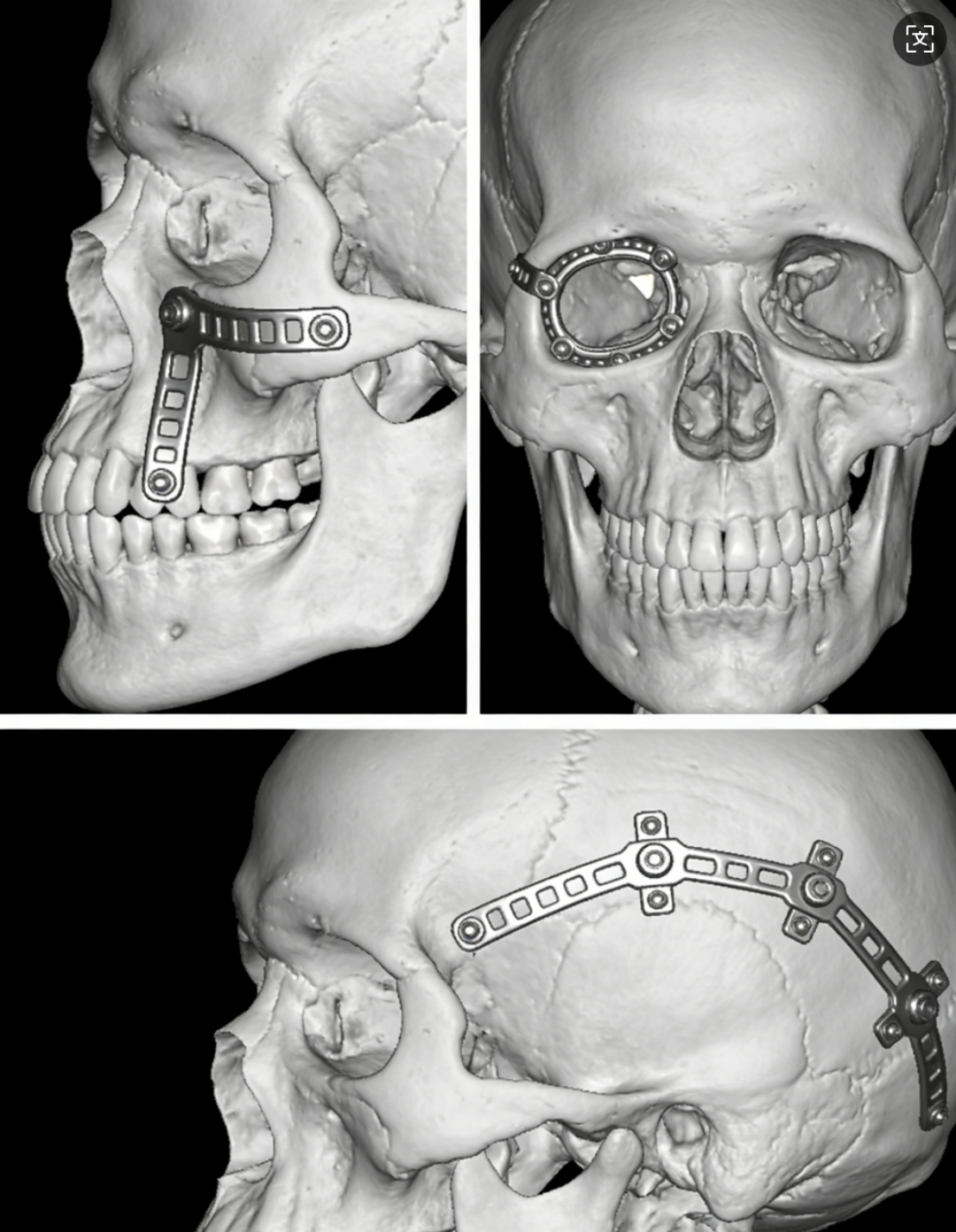
Craniomaxillofacial reconstruction demands precision. Whether restoring a mandible after tumor surgery, repairing an orbital floor fracture, or fixing a cranial bone flap after trauma, implant choice directly affects outcomes. The mandible reconstruction plate, orbital plate, and cranial plating system each serve distinct anatomical regions. What does recent clinical evidence tell us about their performance? Let us review the key findings.
The Mandible Reconstruction Plate
Patient-Specific Plates Offer Clear Advantages
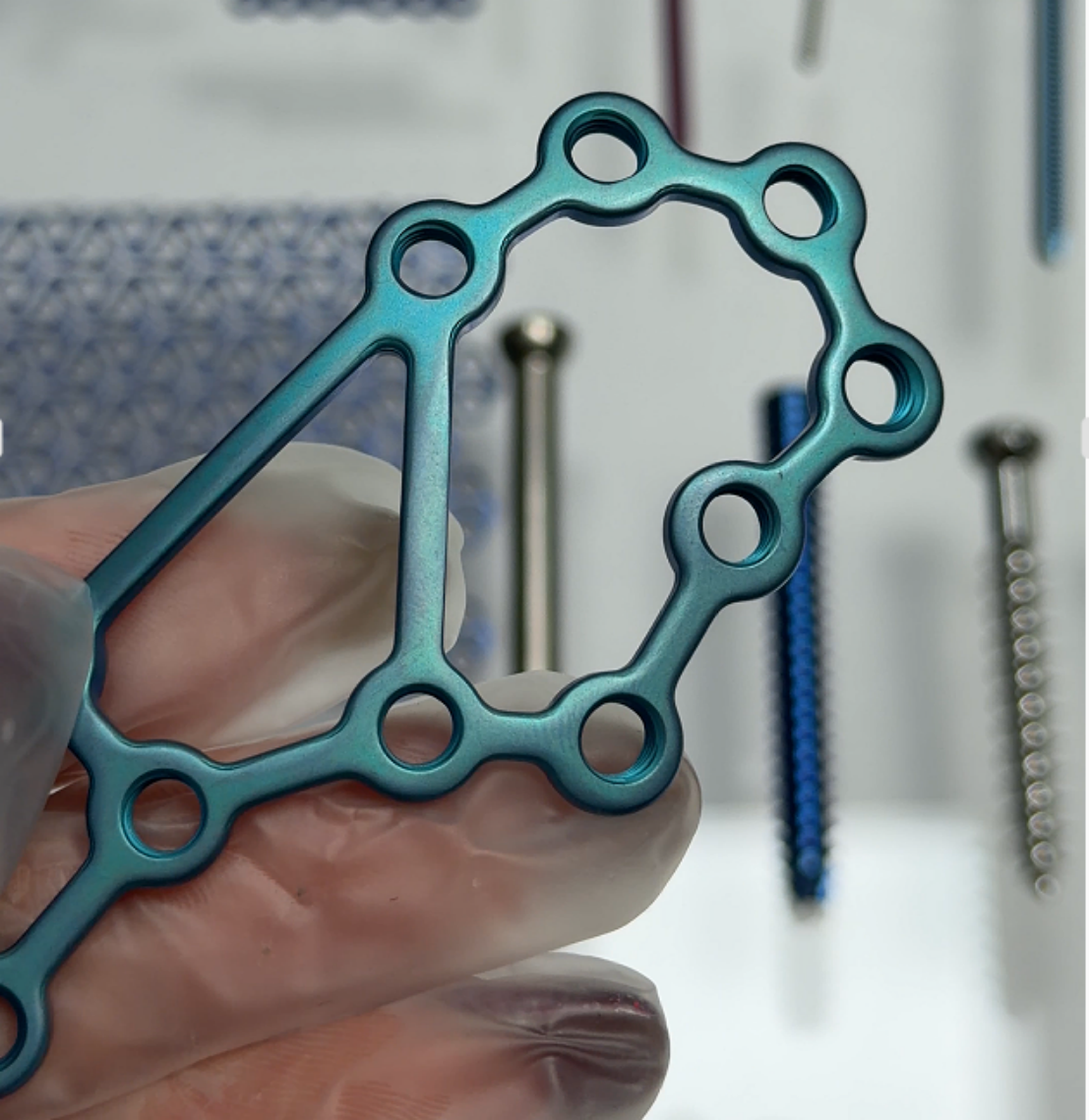
Traditional mandible reconstruction plate placement requires intraoperative bending, which takes time and risks inaccuracy. A systematic review and meta-analysis of 585 patients found that patient-specific plates significantly reduced intercondylar and intergonial distance deviations compared to conventional methods. Operative time shortened by more than one hour. A separate biomechanical study showed that customized mandible reconstruction plate designs provided over 30% higher stiffness and exceeded 90% more fatigue life cycles than manual-bent alternatives.
Complication Risk Factors
Among 188 patients in a retrospective cohort, about one in four experienced plate-related complications such as infection or hardware exposure. Smoking history and soft tissue defect size predicted adverse outcomes. Younger age and lateral mandibular defects also increased fracture risk. Virtual surgical planning and patient-specific plates may reduce these complications.
Fixation Method Comparisons
A Memorial Sloan Kettering study compared mini-plates versus reconstruction bars in fibula free flap reconstruction. The reconstruction bar cohort showed lower hardware exposure rates in patients with late recipient site complications, suggesting CAD/CAM-designed mandible reconstruction plate systems offer better fixation for complex cases.
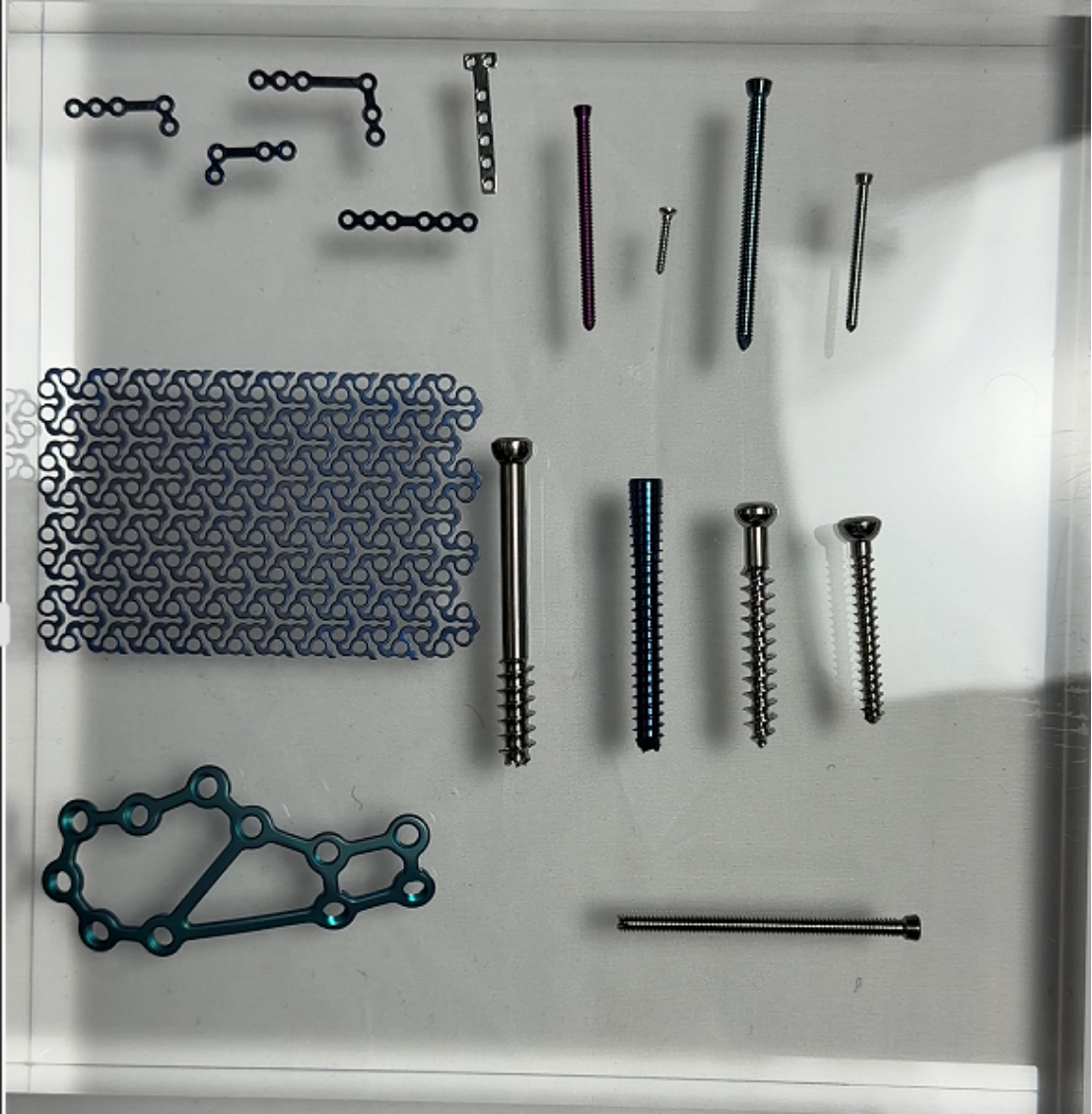
The Orbital Plate
Titanium Mesh vs. Absorbable Plates
Orbital floor fractures require careful implant selection. A study of 184 patients compared 3D-printed titanium mesh versus absorbable plates. Both groups showed successful outcomes without severe complications. Titanium mesh offered greater time efficiency. Absorbable plates showed superior diplopia resolution in another study of 106 patients—residual diplopia occurred in just 9% of absorbable cases versus 32% with titanium mesh. Best-corrected visual acuity improved an additional 40% at six months in the absorbable group.
Custom vs. Stock Orbital Plates
A retrospective analysis of 48 patients found that custom 3D-printed titanium meshes achieved nearly 90% reduction in volumetric discrepancy, compared to just over 50% with standard meshes. Enophthalmos and diplopia resolution also favored custom designs.
Biomechanical Considerations
Finite-element analysis showed that titanium mesh reaches high peak stress while absorbing modest energy. Bioresorbable composite plates absorb more than three times the internal energy of titanium, with lower peak stress. This suggests that some orbital compliance may be beneficial for protecting the globe during secondary trauma.
The Cranial Plating System
Dynamic Fixation for Brain Swelling
Traditional cranial plating system fixation holds bone flaps rigidly, which can be problematic when cerebral edema develops after trauma. A clinical series of 25 patients used reversibly expandable bone flap fixation plates. Postoperative brain swelling occurred in 84% of patients, and outward bone flap movement accommodated this swelling in every case. None required reoperation for hematoma evacuation or rescue decompressive craniectomy. Dynamic cranial plating system fixation offers an alternative to traditional plates.
Titanium vs. PEEK vs. Low-Curvature Designs
A systematic review comparing titanium mesh with PEEK in cranioplasty found that titanium offers shorter operative times and lower blood loss. However, exposure risk may be slightly higher. A retrospective analysis of 67 patients compared low-curvature titanium mesh with normal-curvature mesh. The low-curvature group had significantly shorter hospital stays (nine vs. twelve days), lower costs, and higher patient satisfaction.
Bioresorbable Cranial Fixation
For brain tumor patients requiring radiotherapy, bioresorbable cranial plating system components offer a key advantage: no CT artifacts. A clinical trial found uneventful healing with bioresorbable fixation, while titanium implants caused severe imaging artifacts that complicated radiation planning.
Conclusion
The mandible reconstruction plate performs best with patient-specific designs that improve biomechanics and reduce operative time. The orbital plate offers choices between titanium (efficient) and absorbable (better visual outcomes) depending on clinical priorities. The cranial plating system now includes dynamic and low-curvature options that improve recovery and accommodate brain swelling. Understanding the evidence behind each implant helps surgeons make informed decisions and achieve better patient outcomes.