

Introduction
A 45-year-old construction worker falls from scaffolding. He sustains three fractures: a comminuted femoral shaft, an intra-articular distal radius, and a displaced olecranon. Three different injuries. Three different fixation needs. One surgeon must decide—intramedullary nail for the femur, fracture volar plate for the wrist, or components from the small fragment set for the elbow? The answer lies in understanding the biomechanical demands of each anatomical site. This article provides a practical framework for matching fracture patterns to the optimal implant.
When Does an Intramedullary Nail Outperform a Plate?
The Load-Sharing Advantage
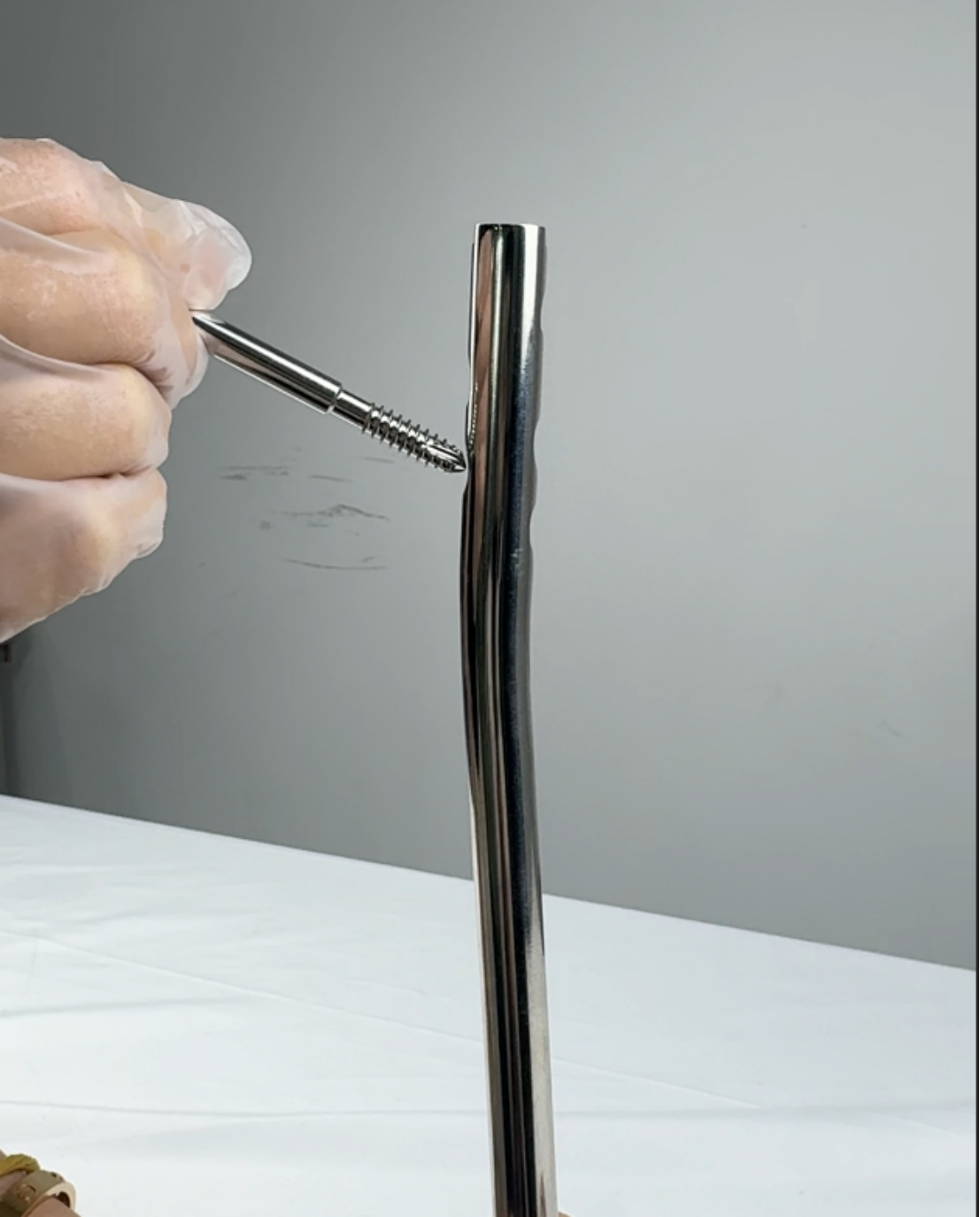
An intramedullary nail acts as an internal splint that shares axial load with the bone. This load-sharing property allows early weight-bearing, a critical advantage for femoral and tibial fractures. In contrast, plates are load-bearing devices that shield the bone from stress, which can delay remodeling. For diaphyseal fractures of long bones, the intramedullary nail reduces the risk of implant failure under cyclic loading.
Biological Benefits of Closed Nailing
Insertion of an intramedullary nail typically requires only small incisions remote from the fracture site. This minimally invasive approach preserves the fracture hematoma and periosteal blood supply, accelerating healing. Studies show that reamed nailing produces autograft-like material that enhances union rates. For polytrauma patients, a single intramedullary nail can stabilize a femoral shaft fracture in under an hour with minimal blood loss.
Clinical Scenario – The Femoral Shaft Fracture
A healthy 30-year-old with an isolated femoral shaft fracture is an ideal candidate for an intramedullary nail. Antegrade nailing through the piriformis fossa or trochanteric entry restores length and rotation. Postoperatively, partial weight-bearing begins at six weeks. The implant remains in situ unless symptoms develop. Union rates exceed 95% at one year.
Why Is the Fracture Volar Plate Preferred for the Distal Radius?
Anatomic Rationale
The distal radius has a unique geometry: a volar concavity, a dorsal tilt, and a subchondral bone plate that is only 1–2 mm thick. The fracture volar plate is precontoured to match this anatomy. Locking screws placed in the subchondral row provide angular stability, supporting the articular surface like a scaffold. Dorsal plates, by contrast, risk extensor tendon rupture and offer no biomechanical advantage.
Avoiding Tendon Complications
Extensor tendon irritation occurs in up to 10% of dorsal plating cases. The fracture volar plate positions hardware away from the extensor compartments. However, volar plates placed too distally can impinge on the flexor tendons, particularly the flexor pollicis longus. Surgeons must place the plate proximal to the watershed line—a critical safety step.
Clinical Scenario – The Unstable Distal Radius Fracture
A 65-year-old osteoporotic woman with a dorsally angulated, comminuted intra-articular fracture requires a fracture volar plate. Through a modified Henry approach, the plate is positioned and locked with distal screws. Early wrist motion begins at postoperative day three. Functional outcomes at three months are excellent, with most patients returning to light activities.
Where Does the Small Fragment Set Fit In?
Beyond the Diaphysis and the Wrist
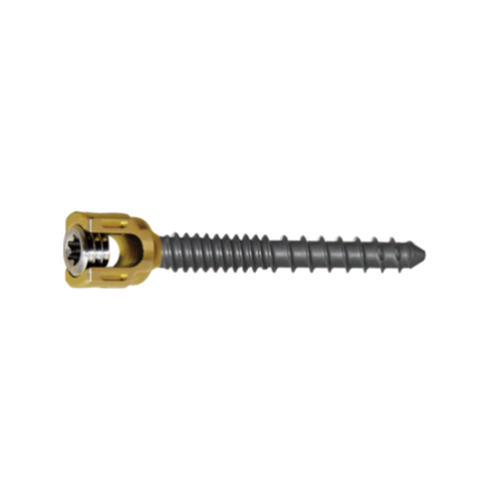
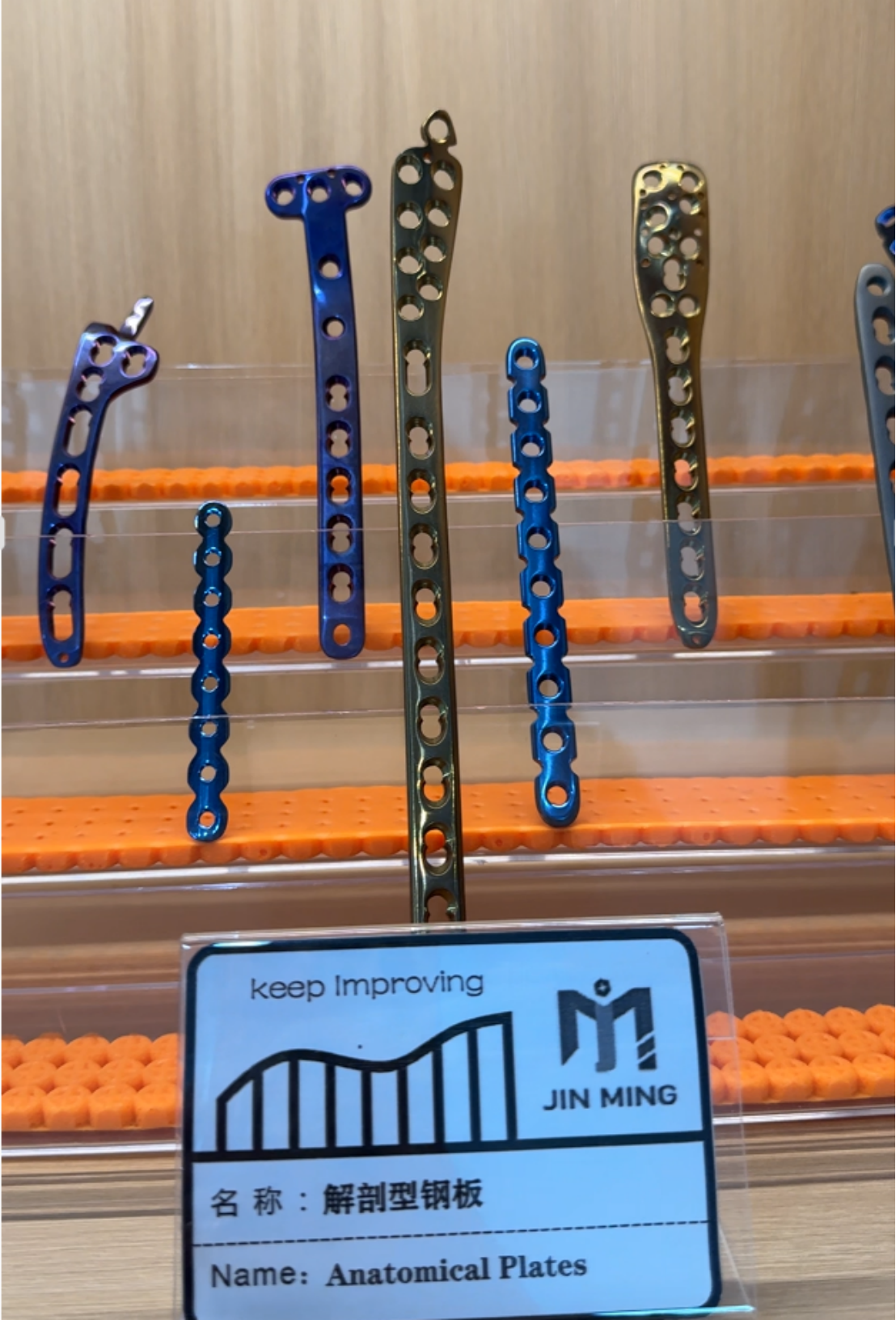
Not all fractures involve the femur or the distal radius. The small fragment set is designed for the “rest” of the skeleton: the upper extremity (humerus, ulna, radius shaft), the clavicle, the ankle, the patella, and the hand. The system includes 2.0 mm, 2.4 mm, 2.7 mm, and 3.5 mm screws, along with T-plates, L-plates, straight plates, and specialized implants like the distal ulna plate or the calcaneal plate.
Versatility in a Single Tray
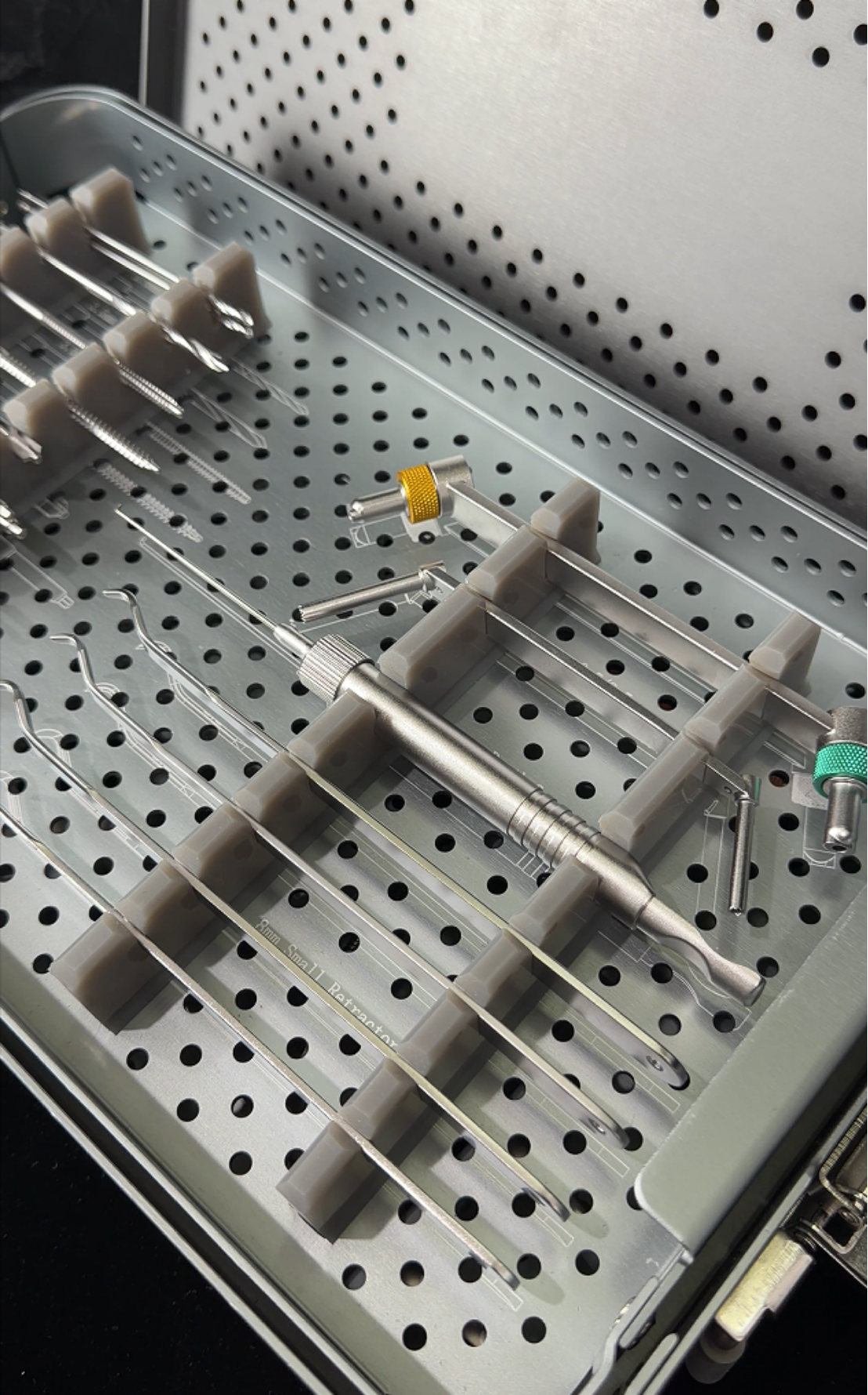
The small fragment set allows a single sterilization tray to handle most periarticular and small bone fractures. This reduces operating room inventory and simplifies surgeon workflow. The set includes both locking and non-locking screws, plus headless compression screws for scaphoid fractures. The instruments—color-coded drill bits, depth gauges, and torque-limiting handles—are ergonomically designed for small bone surgery.
Clinical Scenario – The Multifragmentary Olecranon Fracture
A 50-year-old falls on the elbow, sustaining a comminuted olecranon fracture. The small fragment set provides a precontoured olecranon plate with locking options. The plate is applied to the dorsal surface, and screws capture the proximal fragment. Tension band wiring—an alternative—can also be performed using the set’s K-wires and drill bits. Early range of motion prevents elbow stiffness.
Decision Algorithm – Putting It All Together
Fracture Location First
Diaphysis of femur, tibia, humerus → intramedullary nail
Distal radius (intra-articular, unstable) → fracture volar plate
Small bone, periarticular, upper extremity shaft, ankle, hand → small fragment set
Bone Quality Modifies Choice
In osteoporotic bone, locking screws are essential. The intramedullary nail with angle‑stable locking, the fracture volar plate with subchondral locking screws, and the synthes small fragment set with locking plate options all address poor bone quality. Non-locking implants are reserved for simple patterns in good bone.
Soft Tissue Envelope Matters
Open fractures or compromised soft tissue favor minimally invasive techniques: closed nailing for long bones, limited approach plating for the wrist, and percutaneous screw fixation from the synthes small fragment set. The goal is to achieve stability without further devascularizing the bone.
Conclusion
Choosing between an intramedullary nail, a fracture volar plate, and the small fragment set is not about which implant is “better.” It is about matching the implant to the fracture. The nail excels in load‑sharing for diaphyseal fractures. The volar plate offers anatomic, tendon‑sparing fixation for the distal radius. The small fragment set provides versatile solutions for everything else. By following a simple decision algorithm based on location, bone quality, and soft tissue condition, surgeons can consistently achieve optimal outcomes.
