

Introduction
Every orthopedic trauma surgery relies on a set of basic but crucial implants. The dynamic compression plate (DCP) provides compression across fracture fragments. The cortical screw secures plates to bone or acts as a lag screw. The locking bolt converts a standard plate into a fixed-angle construct for angular stability. Understanding how these three devices function individually and together is essential for achieving stable bone healing.
What Is a Dynamic Compression Plate and How Does It Achieve Compression?
A dynamic compression plate features specially shaped screw holes—spherical gliding flutes—that allow the screw head to slide as it is tightened. When the screw is inserted eccentrically (away from the fracture), tightening drives both the screw and the plate toward the fracture line, compressing the bone ends together.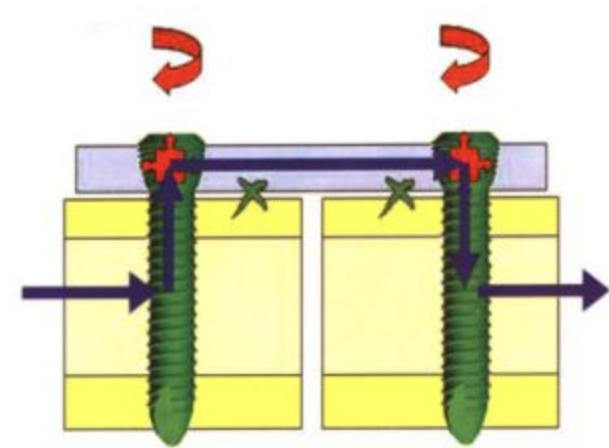
Clinical Applications of the DCP
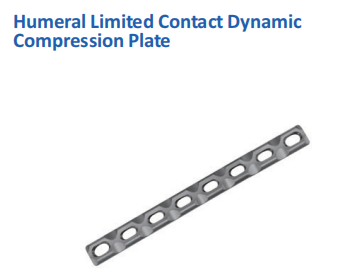
The dynamic compression plate is ideal for simple transverse or short oblique fractures where absolute stability is desired. Common sites include the forearm (radius and ulna), humeral shaft, and femoral or tibial metaphysis. The plate can also function as a neutralization plate when used with lag screws, protecting the compression provided by the lag screws from bending and torsional forces.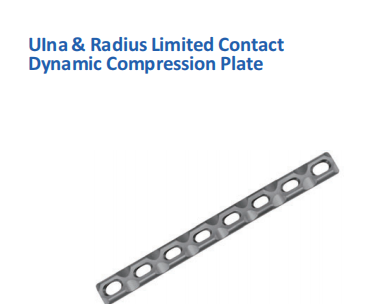
Technique Tips
To achieve compression, the screw is inserted at the far edge of the DCP hole. The drill guide is placed eccentrically, and the screw is tightened. The screw head slides down the inclined floor of the hole, pulling the plate and the bone fragment together. For neutralization, screws are placed in the center of the holes.
Why Is the Cortical Screw a Workhorse in Orthopedic Surgery?
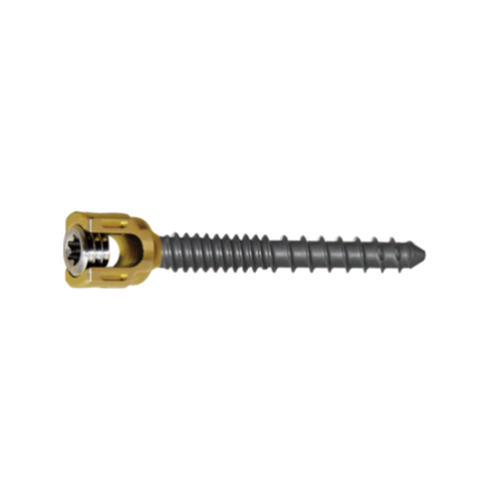
A cortical screw has fine threads along its entire shaft, designed to engage the dense outer layer of bone (cortex). Compared to cancellous screws with coarse threads, cortical screws provide higher pull-out strength in the diaphysis. Diameters range from 2.0 mm to 4.5 mm, with lengths up to 60 mm.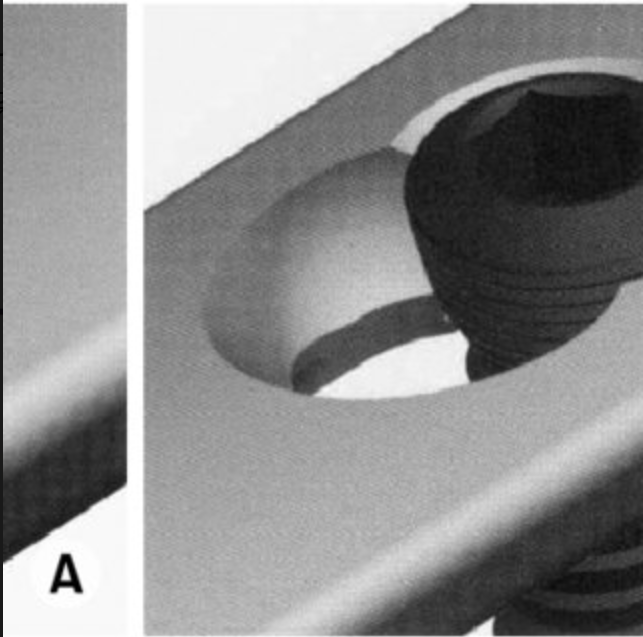
Where Are Cortical Screws Used?
Every internal fixation procedure uses cortical screws: to attach plates to bone, to create lag screws across fractures, to secure bone grafts, and to fix osteotomies. The self-tapping version simplifies insertion by eliminating the need for a separate tapping step. Cortical screws can be used in both compression and locking constructs, depending on the plate design.
Cortical Screw vs. Cancellous Screw
It is important to distinguish cortical screws from cancellous screws. Cortical screws have finer threads and are used in the diaphysis. Cancellous screws have coarser, deeper threads for better purchase in metaphyseal and epiphyseal bone. Using the wrong screw type can lead to poor fixation or thread stripping.
What Is a Locking Bolt and How Is It Different?
A locking bolt (or locking screw) has a threaded head that engages corresponding threads in the plate hole. Unlike a cortical screw, which relies on friction between the plate and bone, a locking bolt creates a fixed-angle construct. This transforms the plate-screw assembly into a rigid internal fixator, preventing toggle and providing angular stability.
When to Use Locking Bolts Instead of Cortical Screws
Locking bolts are preferred in osteoporotic bone, periarticular fractures, and comminuted patterns where standard cortical screws might fail. A combination construct—using locking bolts in the plate’s distal holes and standard cortical screws in the shaft—offers both angular stability and compression. The locking mechanism also preserves periosteal blood supply because the plate does not need to be compressed against the bone.
Hybrid Fixation Techniques
Many modern fracture fixation constructs use hybrid fixation: locking bolts near the joint to support articular fragments, and conventional cortical screws in the diaphysis to attach the plate. This approach combines the best of both technologies—angular stability where bone is weak, and interfragmentary compression where bone quality is good.
Conclusion
The dynamic compression plate, cortical screw, and locking bolt are the fundamental building blocks of internal fixation. The DCP provides compression for simple fractures. The cortical screw attaches the plate to bone and can act as a lag screw. The locking bolt adds angular stability for complex or osteoporotic fractures. Together, they allow surgeons to address a wide spectrum of fracture patterns, from simple forearm breaks to comminuted periarticular injuries.
