

In modern orthopedic treatment, bone plates (fracture internal fixation plates) are common and important instruments. With the development of materials science and internal fixation techniques, locking plates and non-locking plates (conventional plates) have become the two main categories of clinical choice. They differ significantly in structural design, mechanical properties, indications, and complication profiles, affecting surgical strategy, healing process, and postoperative rehabilitation.
What are the differences between locking and non-locking bone plates?
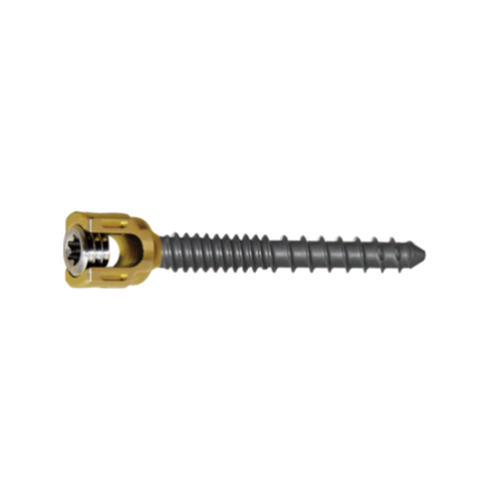
Locking bone plates utilize a "fixed-angle" structure between the plate and the screws, forming an integrated component-screw-bone framework. This significantly reduces the need for tight compression between the bone plate and the bone cortex. Simply put, the locking screws "lock" into the screw holes of the bone plate, creating a fixed connection between the screw head and the plate body, unlike traditional methods that rely on friction generated by compressing the plate against the bone cortex with screws. Because of this fixed-angle characteristic, locking bone plates provide more stable internal fixation in cases of poor bone quality (such as osteoporosis in the elderly) or complex comminuted and open fractures, without requiring excessive compression of the fracture ends. This has a positive impact on blood supply preservation and bone healing.
In contrast, non-locking bone plates primarily rely on conventional screws to compress the plate against the bone surface, generating friction between the bone plate and the bone to resist bending, shearing, and rotational forces. This "compression" fixation requires good bone quality and contact surface. If the bone quality is poor or the bone fragments are small and severely comminuted, the bone plate is prone to loosening or screw pull-out. Therefore, non-locking bone plates still have advantages in traditional simple fractures or situations where compression is needed to promote stable contact and early bony union.
From a biomechanical perspective, locking bone plates are more like a "bridge"—transmitting force through the plate and locking screws to the overall structure, allowing for a certain degree of micromotion at the fracture site. This micromotion, in the presence of blood supply, promotes callus formation (indirect bone healing). Non-locking bone plates, on the other hand, emphasize "contact and compression," utilizing the contact surface to transmit force, which is conducive to direct bone healing (no significant callus, direct callus formation). Therefore, the design concepts and the impact on healing biology are fundamentally different.
Finally, from a clinical operation and instrument management perspective, locking systems are often more expensive, have a more complex design, and require different considerations for removal or repair once the locking screws are combined with the plate; non-locking plates are more economical and have a lower technical threshold in some situations. In summary, understanding the differences between the two is not only a comparison at the instrument level, but also the basis for making overall decisions based on "patient bone quality, fracture type, healing mechanism, and surgical goals."
Under what circumstances should locking plates or non-locking plates be prioritized?
The choice of which type of plate to use is not determined by a single factor, but rather a balance of multiple factors. First, consider the patient's bone quality: In elderly patients or those with significant osteoporosis, the bone cortex is thin and the vertebral body has poor load-bearing capacity, making ordinary screws prone to pull-out or plate loosening. In these cases, locking plates, due to their integrated screw-plate load-bearing mechanism, significantly reduce the risk of screw pull-out and are often preferred. Conversely, in young patients with good bone quality, if the fracture is simple and a transverse/oblique fracture that can be accurately reduced, applying compression with a non-locking plate facilitates direct healing, is less expensive, and may involve less soft tissue manipulation.
Secondly, consider the fracture type: For comminuted, periarticular, or multi-fragmented fractures, traditional compression methods are difficult to achieve stable contact and may cause excessive stripping of small bone fragments. The "bridging" concept of locking plates maintains overall stability without disrupting local blood supply, facilitating indirect healing. In contrast, for metaphyseal or diaphyseal fractures requiring anatomical reduction and stable contact through compression, non-locking plates, by assisting direct internal fixation through compression, often better restore the anatomical surface.
Thirdly, consider soft tissue conditions and infection risk: In cases of poor soft tissue conditions or open fractures, minimizing excessive exposure and soft tissue stripping of the fracture site is crucial. Locking plates, because they do not need to be tightly pressed against the bone surface for stability, often reduce the extent of stripping, protecting soft tissue and blood supply, thereby reducing the risk of infection and nonunion. Of course, any internal fixation should be used cautiously in the presence of persistent infection.
Finally, consider the surgical team's experience, instrument availability, and cost: In some hospitals or regions, locking systems may be more expensive or have limited availability, and the placement and angle control of locking screws have a learning curve for some surgeons; therefore, when feasible, the surgical team will also weigh these factors based on their own proficiency and the patient's financial situation. In summary, clinical decisions should be "patient-centered," considering bone quality, fracture morphology, soft tissue condition, and surgical resources to determine the most appropriate internal fixation strategy.
What are the differences in complications and healing outcomes between locking and non-locking bone plates?
The different mechanical and biological effects of the two types of bone plates are inevitably reflected in the types of complications and healing patterns. Locking plates, by reducing compression on the bone cortex and allowing limited micromotion, offer advantages such as fewer screw pull-outs and fixation failures in osteoporotic patients. However, they may also lead to "stress shielding": if the plate is too rigid and long-term load transfer is borne by the plate, local bone tissue may experience reduced stress, potentially leading to further bone atrophy or the formation of areas of bone thinning under the plate. These issues require special attention during postoperative follow-up and when considering implant removal.
Complications with non-locking plates are more likely to be related to impaired local blood supply due to compression (if excessive stripping or over-tightening occurs), and screw loosening or pull-out in cases of poor bone quality. Furthermore, because the plate needs to conform to the bone surface, excessive soft tissue stripping during surgery to achieve good contact can increase the risk of infection and poor healing. On the other hand, under appropriate indications, non-locking plates can promote direct bone healing, and healing time and functional recovery are often ideal in simple fractures.
Regarding healing time and functional recovery, neither system is absolutely superior; each has its own suitable applications: locking plates can reduce failure rates and improve the healing environment in complex or poor bone quality cases, but in situations requiring precise anatomical reduction to restore the joint surface, non-locking plates, if good reduction and compression are achieved, may lead to better short-term functional recovery. In terms of complication management, if hardware-related problems occur with a locking system (such as screw breakage or plate instability), the difficulty and cost of revision surgery are often higher than with traditional systems; non-locking plates are easier to manage by simple adjustments or screw replacement if problems arise.
In addition, patient follow-up, rehabilitation programs, and postoperative imaging assessments will also differ depending on the system used. Regardless of the internal fixation method, early attention to infection control, appropriate weight-bearing guidance, and targeted functional training are crucial factors influencing final healing and complication rates. For patients and their families, understanding the potential risks and long-term follow-up requirements of each medical device helps them cooperate with doctors in developing an individualized rehabilitation plan.
Conclusion:
Clavicle plates and non-locking plates are not simply a matter of "which is better," but rather two tools based on different mechanical and biological principles, each performing best in specific clinical situations. The choice should consider the patient's constitution, fracture type, soft tissue condition, hospital resources, and surgical experience, as well as evaluating the differences in long-term complications and healing mechanisms. Modern orthopedics is moving towards individualized treatment – understanding the working principles and potential drawbacks of each type of internal fixation is essential for making both scientifically sound and humane clinical decisions.
