


Introduction
The global orthopedic implant market exceeded $50 billion in 2025, with spine, joint reconstruction, and trauma devices capturing the largest shares. Among hundreds of product lines, three consistently rank as top sellers: the lumbar interbody fusion cage in spine surgery, knee devices in joint arthroplasty, and the humeral nail in trauma fixation. What drives their commercial success? How large are their respective markets? And which trends will shape future demand? This article synthesizes data from industry reports, including Orthopedic Network News, Millennium Research Group, and company financial filings, to provide a data-driven overview of these best-selling categories.
Lumbar Interbody Fusion Cage – The Spine Market Leader
Market Size and Growth
The global spinal fusion market reached approximately $7.8 billion in 2025, with interbody cages accounting for nearly 40% of that total—about $3.1 billion. Lumbar interbody fusion cages dominate the spine implant segment, outpacing cervical cages and posterior fixation devices. The compound annual growth rate (CAGR) for lumbar interbody cages is projected at 5.2% through 2030, driven by an aging population, rising obesity rates, and expanding indications for degenerative disc disease.
Best-Selling Product Features
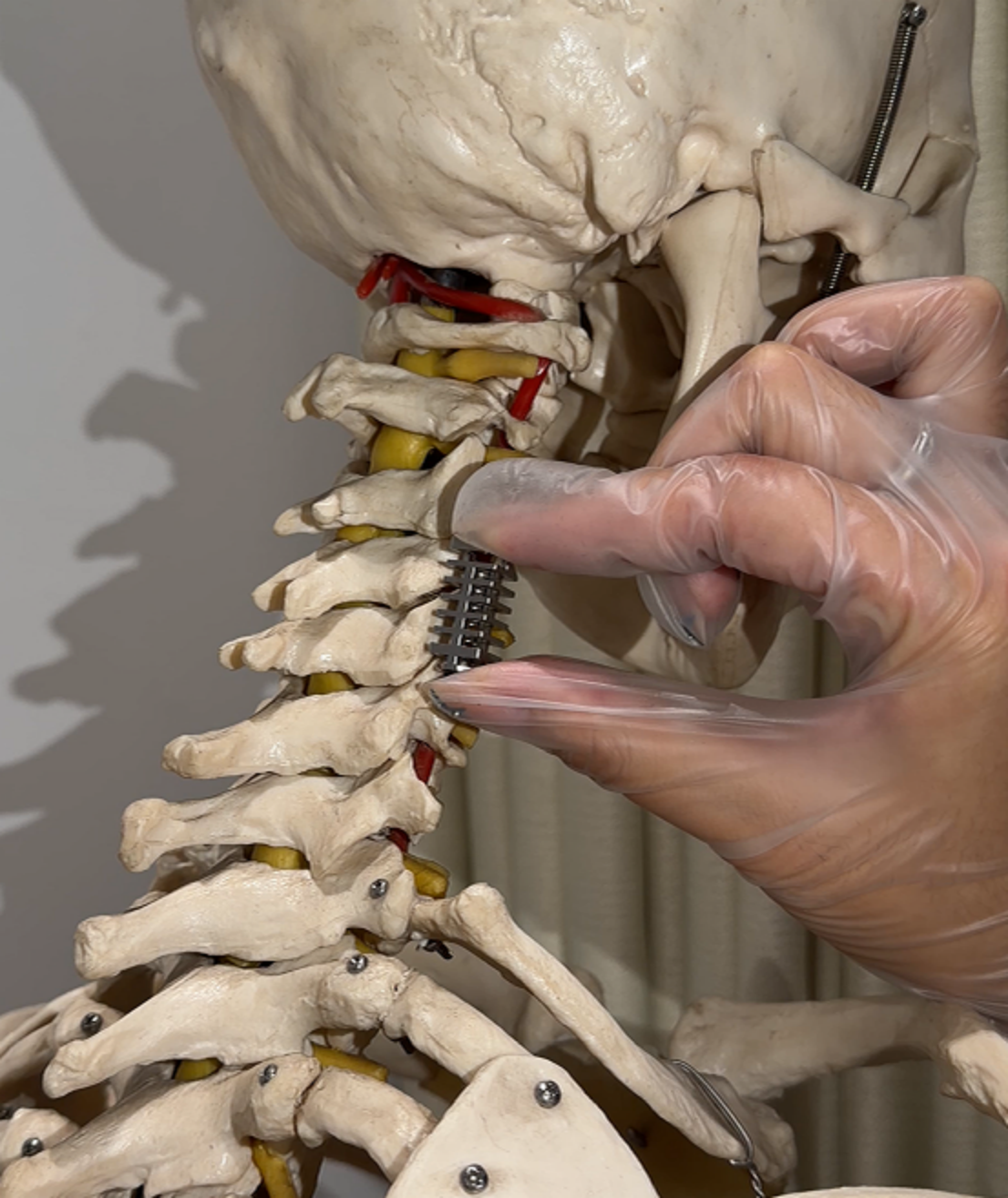
The most successful lumbar interbody fusion cage designs share common features: anatomical footprint matching the endplate, PEEK or titanium alloy construction, large graft windows, radiopaque markers, and options for lordotic angles (4-12°). Surgeon preference drives sales, and companies that provide comprehensive instrumentation and surgical training gain an edge. Price per cage ranges from $800 to $2,500 depending on material and complexity.
Regional Variations
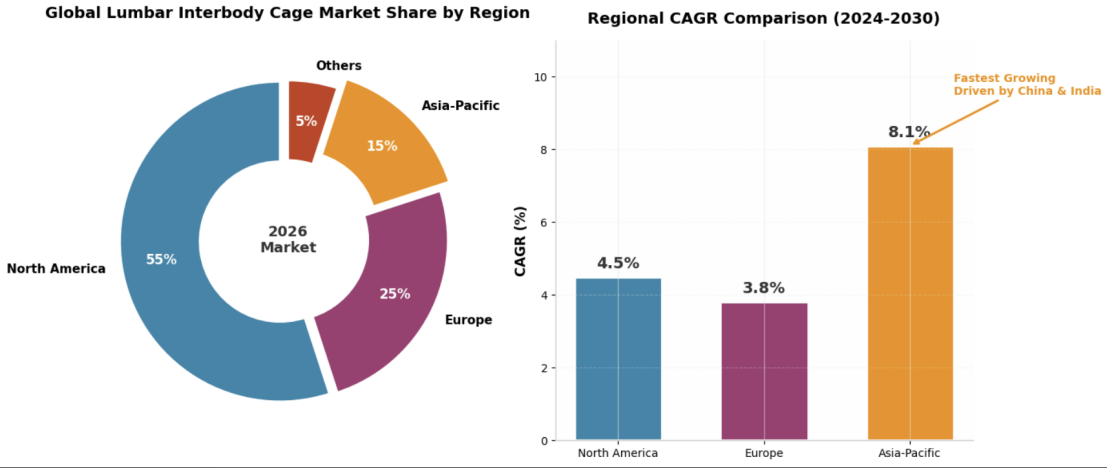
North America accounts for 55% of lumbar interbody cage sales, Europe 25%, and Asia-Pacific 15%. The Asia-Pacific region is the fastest-growing market, with a CAGR of 8.1%, driven by improving healthcare infrastructure and rising disposable incomes in China and India.
Knee Devices – The Joint Reconstruction Giant
Market Size and Demographics
Knee devices represent the largest single category in orthopedic implants. The global knee replacement market reached $12.4 billion in 2025, accounting for nearly 25% of the total orthopedic market. Total knee arthroplasty (TKA) comprises 85% of knee device sales, with unicompartmental and revision knees making up the remainder. The CAGR is 4.8%, slightly lower than spine due to market maturity in developed countries.
Volume Drivers
More than 1.5 million knee replacement procedures are performed annually in the United States alone, with similar volumes in Europe and rapidly growing numbers in Asia. The primary drivers are osteoarthritis (90% of cases), obesity (BMI >30 increases risk 3x), and aging populations. By 2030, the number of primary TKAs in the US is projected to exceed 2.5 million per year.
Pricing and Reimbursement
The average selling price for a primary knee device system (femoral, tibial, insert) is $3,200-$4,500 in the US, significantly higher than in Europe ($2,000-$3,000) and Asia ($1,500-$2,500). Reimbursement cuts have pressured prices, but volume growth has offset margin erosion. Cemented fixation remains standard (85% of cases), though cementless and hybrid fixation are gaining share in younger patients.
Clinical Scenario – The High-Volume Procedure
A 68-year-old woman with end-stage osteoarthritis undergoes total knee replacement using a cruciate-retaining knee device. The surgery takes 60 minutes. Length of stay averages 1-2 days. At 6 weeks, the patient walks without assistance. Satisfaction rates exceed 85% at 2 years. The implant lasts 15-20 years in 90% of patients.
Humeral Nail – The Trauma Workhorse
Market Size and Position
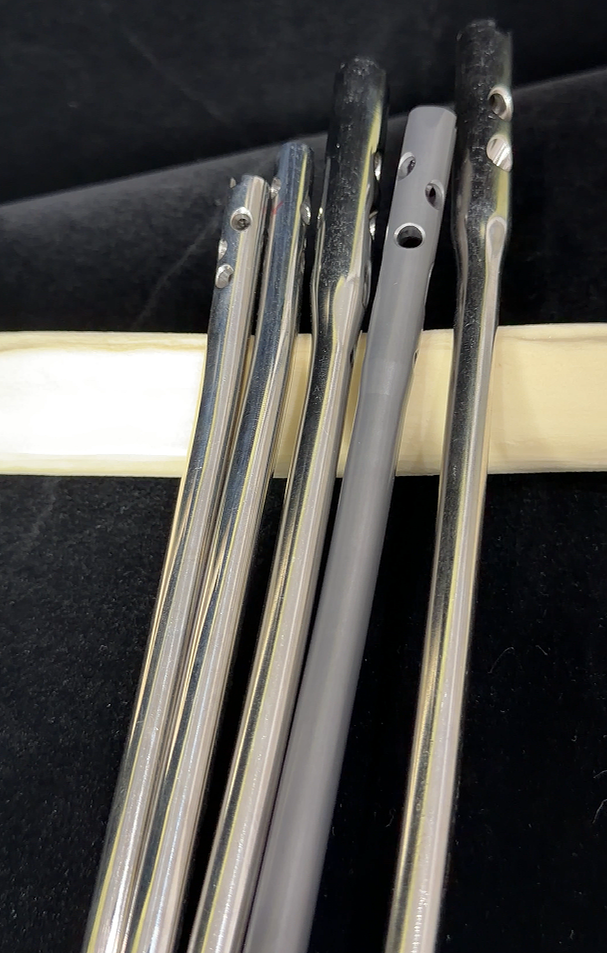
The global humeral nail market is smaller than spine or knee, estimated at $480 million in 2025, but it represents the best-selling single trauma implant for the upper extremity. Humeral nails account for approximately 35% of upper extremity trauma fixation, competing with plates and external fixators. The CAGR is 4.2%, steady but unspectacular.
Why Humeral Nails Sell Well
Humeral nails are a “workhorse” product for several reasons: high fracture incidence (proximal humerus and humeral shaft fractures are common in elderly osteoporotic patients and younger trauma patients), minimally invasive insertion (shorter operative time, less blood loss, smaller scar), and broad reimbursement coverage. A single humeral nail system with multiple diameter and length options can treat 80% of humeral fractures, reducing hospital inventory costs.
Regional Differences
North America accounts for 50% of humeral nail sales, Europe 30%, and Asia-Pacific 15%. In Europe, humeral nails are more commonly used for proximal fractures than in the US, where plating remains popular. The Asia-Pacific market is growing at 6.5% CAGR, driven by rising trauma volumes and adoption of Western surgical techniques.
Pricing and Reimbursement
The average selling price of a humeral nail system (nail + locking screws + instruments) ranges from $600-$1,200 in the US, lower in Europe and Asia. Reimbursement for humeral fracture fixation is bundled under DRG codes, so hospitals prefer cost-effective implants that minimize operating room time and complications.
Clinical Scenario – The High-Volume Fracture
A 72-year-old osteoporotic woman falls and sustains a 2-part proximal humerus fracture. A humeral nail is inserted through a small deltoid-splitting incision. Proximal locking screws capture the humeral head. The patient begins pendulum exercises on day one. At 3 months, the fracture is healed, and the patient has 140° of elevation. The implant is left in place indefinitely unless symptomatic.
What Drives Sales for These Three Products?
Demographic Tailwinds
All three categories benefit from aging populations. The number of people aged 65+ worldwide will double from 700 million (2020) to 1.5 billion (2050). Osteoarthritis, degenerative disc disease, and fragility fractures all increase with age. Obesity (BMI >30) affects 40% of US adults and is rising globally, directly correlating with knee osteoarthritis and spinal degeneration.
Technological Differentiation
Best-selling products are not necessarily the cheapest; they offer surgeon-friendly features. For lumbar interbody fusion cages, 3D-printed porous titanium and PEEK with surface roughening drive premium pricing. For knee devices, robotic-assisted surgery compatibility and patient-specific instrumentation are differentiators. For humeral nails, electromagnetic distal targeting and multiple proximal fixation options reduce surgical frustration.
Reimbursement and Health Economics
In value-based healthcare systems, implants that reduce length of stay, complications, and reoperations gain market share. Lumbar interbody fusion cages that achieve higher fusion rates, knee devices that enable faster recovery, and humeral nails that minimize rotator cuff injury all command premium prices despite reimbursement pressure.
Conclusion
The lumbar interbody fusion cage, knee devices, and humeral nail each dominate their respective orthopedic subspecialties through different market dynamics. The lumbar interbody fusion cage leads the spine market with $3.1 billion in annual sales, driven by an aging population and expanding indications. Knee devices are the largest single category at $12.4 billion, benefiting from the obesity epidemic and high procedure volumes. The humeral nail, while smaller at $480 million, is the top-selling upper extremity trauma implant due to its versatility and minimally invasive nature. For manufacturers, success in these categories requires not only clinical efficacy but also surgeon education, competitive pricing, and continuous innovation. For hospitals and distributors, understanding market trends helps optimize inventory and negotiate better purchasing terms.
